Furnaces, air handlers, dual fuel
Furnace & Heating Installation
Gas furnaces, air handlers and dual-fuel setups, sized to the house and vented correctly. Including the parts of the job that are invisible once the panel goes back on.
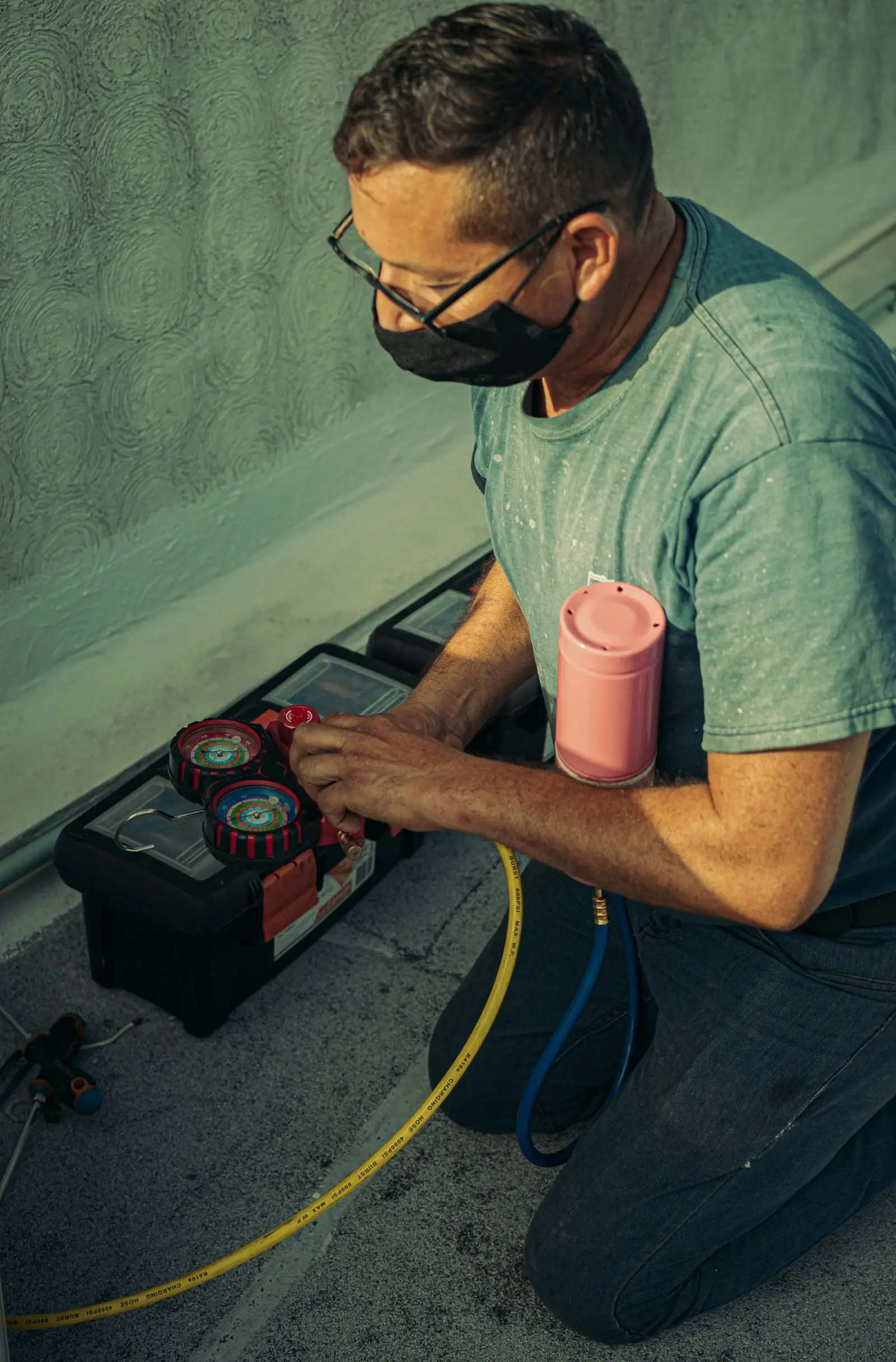
A quiet furnace in a warm house is the whole brief.
Heating equipment is easier to install badly than cooling equipment, because a furnace will run and produce heat even when it is venting poorly, drawing wrong or wildly oversized.
The house will still be warm. It will just be noisy, expensive and shorter-lived than it needed to be, and nobody will connect the dots for another decade.
- Load calculation and equipment selection for your actual house
- Single-stage, two-stage and modulating options priced side by side
- Correct venting, including the flue work a changeout often triggers
- Gas line sizing and pressure verification, or electrical for air handlers
- Return air sized properly — the most common shortfall we find
- Condensate handling and a trap that will not block in year two
- Permit, inspection, haul-away and manufacturer registration
- Commissioning: temperature rise, gas pressure and static, written down
What you actually notice afterwards
Homeowners rarely notice efficiency. They notice these four things immediately.
It is quieter
A modulating furnace on properly sized ducts runs long and low instead of blasting and stopping. Most people mention the noise before anything else.
The house holds a temperature
Longer, gentler run cycles even out the rooms that always ran cold. Sizing and airflow do more for this than any thermostat.
The bill stops spiking
Not because of the efficiency rating on the box, but because a correctly sized system stops short-cycling.
Nothing rattles
New plenum, sealed joints, correct hangers. A furnace should be something you hear starting only if you are listening for it.
How this is priced
- In writing before anything starts
- Readings left with you, on paper
- Nobody paid a percentage of the invoice
One quoted number including equipment, venting, gas or electrical work, permit, inspection, haul-away and registration. Options are priced side by side with the difference explained in plain terms rather than efficiency ratings.
Answers before you have to call and ask
Single-stage is either full blast or off, and it is fine in a small tight house. Two-stage runs low most of the time and is the sensible middle. Modulating adjusts continuously and gives the most even, quietest result — worth it in a larger or draftier house, less so in a small one. We will tell you which one we would put in our own house.
In this climate it is genuinely worth pricing both, and a dual-fuel setup — heat pump with the furnace as backup — often lands as the best of both. We quote it as an option on every furnace replacement rather than waiting for you to ask.
A changeout is a day. We do not leave a house without heat overnight in winter; if the job runs long we bring temporary heat and finish the next morning.
Emergency service
No cooling. No heat. No answer anywhere else.
The after-hours line rings a dispatcher who can see where every van is, not a message service.
Seven days, including evenings
Request this
Tell us what the heating installation problem looks like.
A dispatcher calls back with a real arrival window, usually inside the hour on a working day.